Balancing Macros in Meal Planning: Build Plates That Work
Chosen theme: Balancing Macros in Meal Planning. Welcome to a friendly, practical space where protein, carbs, and fats finally make sense on your plate and in your life. Stay with us, join the conversation, and subscribe for weekly, doable macro inspiration.
The Macro Mindset: Balance Over Perfection
Balance is not a rigid ratio; it is a responsive framework. A balanced plate centers protein, includes smart carbs for energy and fiber, and adds fats for flavor and satiety. Notice how meals affect energy, focus, mood, and hunger.
The Macro Mindset: Balance Over Perfection
Cutting entire macro groups can spike cravings, stall performance, and shrink joy around food. A reader once ditched carbs before a long run and hit a wall. When they reintroduced balanced carbs, pace steadied and recovery improved.
Protein for structure and satiety
Protein helps maintain muscle, keeps you fuller longer, and supports recovery. Rotate poultry, fish, eggs, tofu, beans, and Greek yogurt. Plan protein first, then build the plate around it. Tell us your favorite high-protein breakfast that actually satisfies.
Carbohydrates for energy and fiber
Carbs fuel the brain and workouts while delivering fiber for gut health. Choose oats, potatoes, rice, quinoa, fruits, and legumes over heavily refined options. Time larger portions around activity, then dial back on lighter days to match needs.
Fats for flavor and steadier hunger
Fats carry flavor, support hormone health, and slow digestion for steady energy. Think olive oil, avocado, nuts, seeds, and fatty fish. Add a measured drizzle or small handful. Share your go-to dressing recipe that makes salads unforgettable.
Portion Blueprints: Visual Guides for Any Plate
The hand method
Use your hand as a portion guide: a palm of protein, a fist of carbs, two fists of non-starchy veggies, and a thumb of fats. Scale up or down based on your size, activity, and appetite signals without needing a kitchen scale.
The color-and-quarters plate
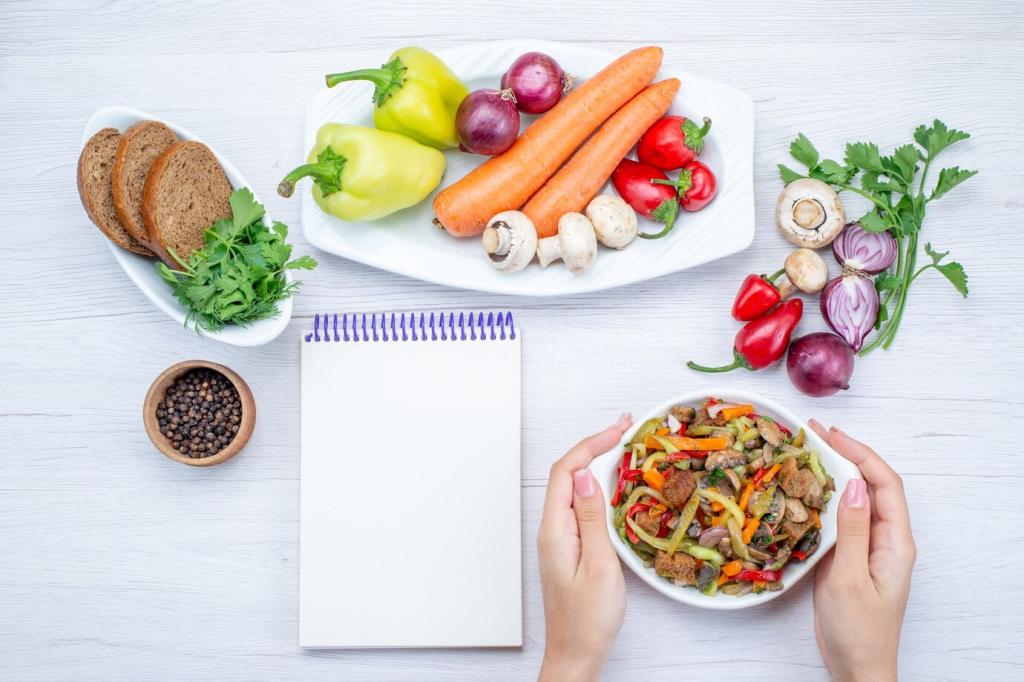
Divide your plate: half colorful vegetables, one quarter protein, one quarter carbohydrates, plus a small portion of fats. For long training days, slightly expand the carb quarter. For rest days, nudge up vegetables to keep hunger predictable.
Balancing macros when eating out
Scan menus for a protein anchor, add a starchy side, and include a salad or vegetables. Ask for sauces on the side to control fats. If portions are huge, split the meal or box half. Comment with your favorite macro-smart restaurant order.
Grocery Strategy for Macro-Friendly Kitchens
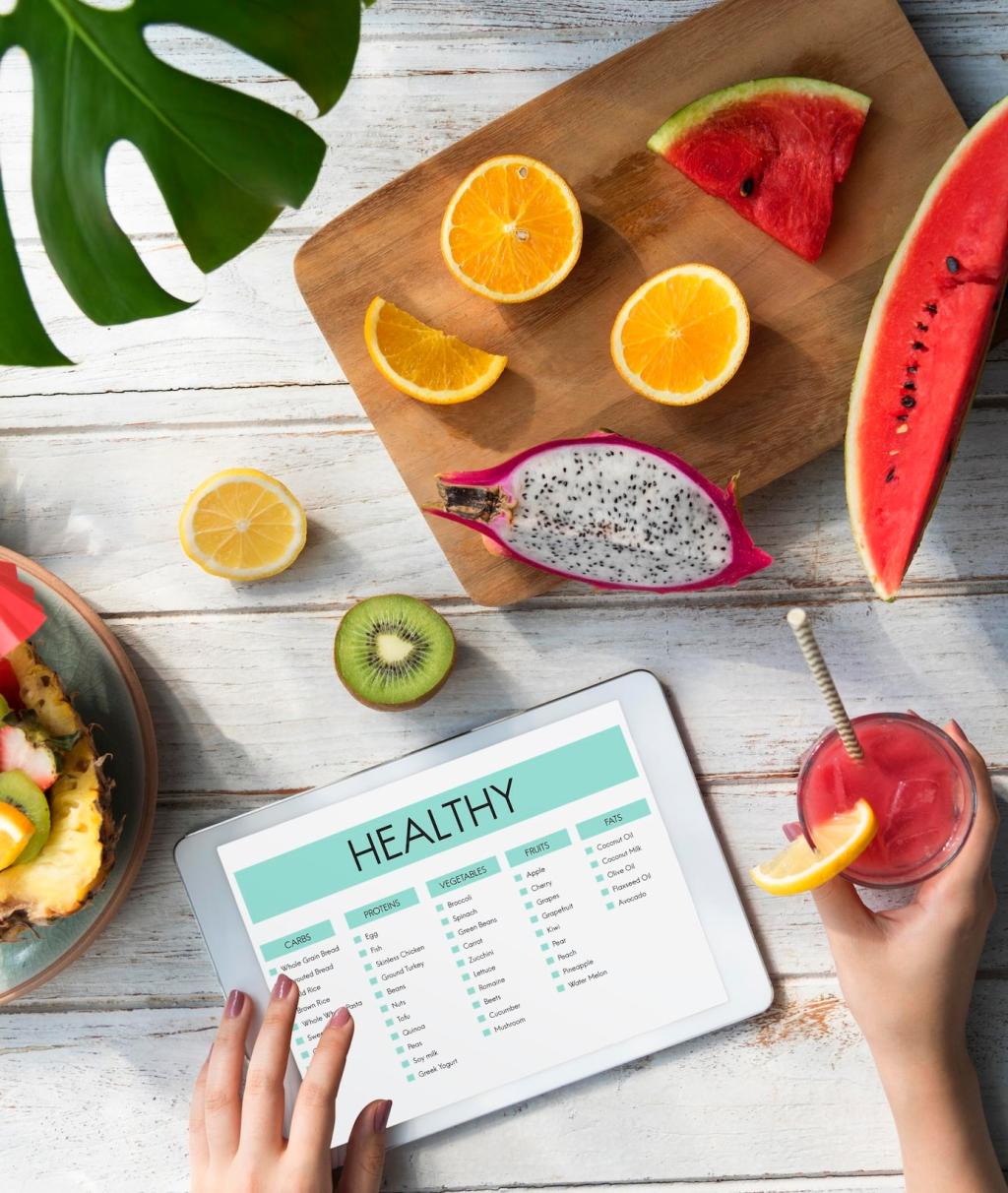
Choose two to three proteins, three to five carbohydrate bases, plenty of vegetables, and two fats you love. Examples include chicken thighs, tofu, black beans, rice, oats, potatoes, leafy greens, tomatoes, olive oil, and almonds for effortless variety.
On active days, lean into larger carbohydrate servings around workouts. On desk-heavy days, keep protein consistent but dial back starch slightly and pile on vegetables. Notice hunger, focus, and sleep to fine-tune. Share what timing felt best today.
02
Family-style meals that still balance
Serve components instead of single dishes: a protein, a grain or potatoes, vegetables, and fun toppings. Everyone builds their own plate, keeping macros flexible. It reduces stress and waste. Comment with a family favorite that scales without hassle.
03
Honoring culture while balancing macros
Keep beloved dishes and balance the plate around them. Pair a treasured stew with a fresh salad, add beans for fiber, or portion rice thoughtfully. Food is memory and identity—macro balance should amplify, not erase. Share your heritage dish below.
Troubleshooting Macro Balance: Real Problems, Real Fixes
If you fade at 3 p.m., lunch likely needs steadier carbs and some fat. Try whole grains or potatoes with vegetables, a solid protein, and a measured drizzle of olive oil. Test for a week, then share your energy graph in the comments.
Troubleshooting Macro Balance: Real Problems, Real Fixes
Add more protein or fiber at dinner and include a small fat source. A bigger vegetable portion can increase volume without overload. Many readers found a Greek yogurt parfait or berries plus nuts ends night snacking. What helped you most?